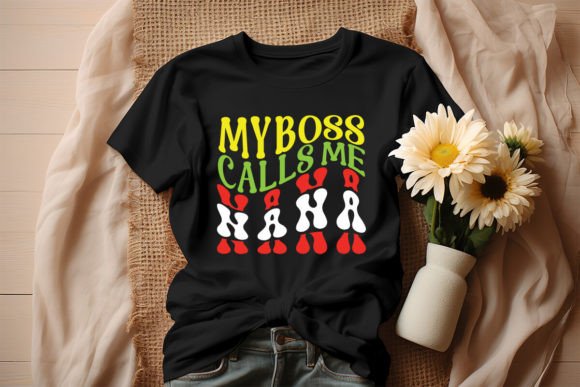
My Boss Calls Me Nana Retro Design
As an embroidery designer with years of experience, I’ve seen my fair share of designs that look great on a screen but fall apart when stitched. My Boss Calls Me Nana Retro Design is one that caught my attention for its nostalgic vibe and potential in real-world projects. Let’s break down how it performs in practical use.
The First Impression: A Nostalgic Touch
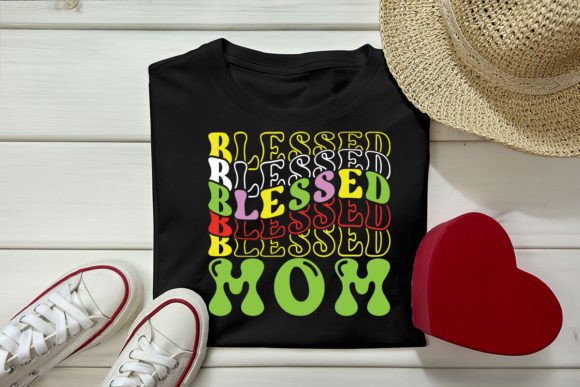
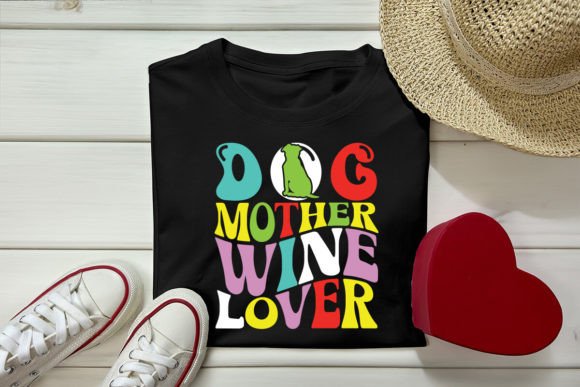
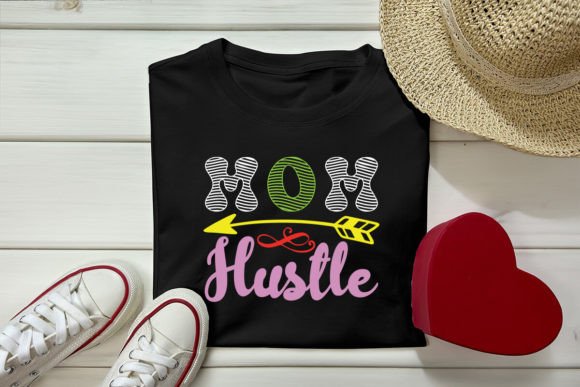
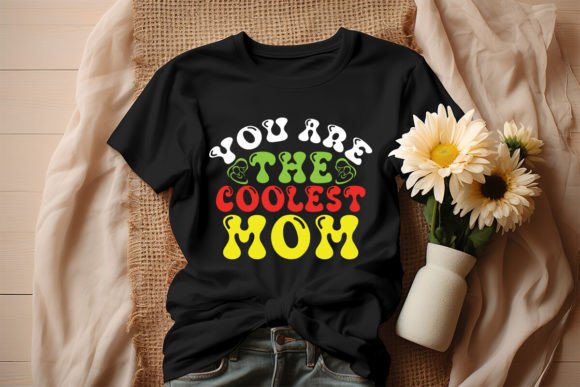
My Boss Calls Me Nana Retro Design immediately evokes a sense of warmth and familiarity. The layout is clean, with a bold, stylized font that feels like it belongs on a vintage t-shirt or a handmade gift. The retro aesthetic makes it ideal for custom apparel, especially for Mother’s Day or personal gifts. It has a visual personality that’s both playful and meaningful, making it perfect for personalized items or small business merchandise.
The design isn’t overly complicated, which is a plus. It avoids the trap of being too busy or hard to stitch. Instead, it focuses on a clear message with a few decorative elements that add character without overwhelming the eye.
Real-Life Embroidery Scenarios
When considering where to use My Boss Calls Me Nana Retro Design, it fits naturally into several categories. For example, a custom embroidered tote bag would be a great fit. The design’s size and layout make it suitable for a 15-inch hoop, which is common for many home embroidery machines. It also works well on sweatshirts, baby clothes, and caps, though the placement might need some adjustment depending on the garment.
For a handmade product like a pillow cover or tea towel, this design could be a standout feature. Its simplicity allows it to be easily adapted to different fabric textures and colors. However, if you’re planning to use it on a dark fabric, you’ll want to ensure the thread color contrasts well to maintain visibility.
Where to Be Careful
While My Boss Calls Me Nana Retro Design is versatile, there are some situations where it might not perform as well. If you’re working with a small hoop, the design may need to be split or resized, which can affect the overall look. Similarly, on thin or stretchy fabrics, the design might not hold up as well without proper stabilizer.
Textured fabrics, like denim or corduroy, could also pose a challenge. The design’s details might not show up clearly, so testing on scrap fabric first is essential. For curved surfaces like caps, the design’s layout should be adjusted to fit the curve properly, or it might look distorted after stitching.
Visual Appeal and Practical Value
One of the key factors in any embroidery project is visual appeal. My Boss Calls Me Nana Retro Design delivers a strong visual impact without being too intricate. It’s easy to recognize and has a high level of detail that translates well to different materials and sizes.
Stitching clarity is another important aspect. The design uses a mix of satin stitch and fill stitch, which gives it a smooth, professional finish. However, if you’re working with a dense stitch area, you may need to adjust the density to avoid puckering or distortion.
This design also adds value to a finished product. Whether it’s a personalized gift, a boutique item, or a commercial embroidery project, it brings a unique touch that customers will appreciate. It’s especially useful for Etsy sellers or small shop owners looking to offer something memorable and meaningful.
Practical Designer Notes
Before using My Boss Calls Me Nana Retro Design in your next project, here are a few tips to keep in mind:
- Test on scrap fabric: Always test the design on the actual fabric you plan to use. This helps identify any issues with thread color, stitch density, or stabilizer needs.
- Check thread color contrast: Make sure the thread color you choose stands out against the fabric. A white thread on a black shirt, for example, will look very different than on a light-colored fabric.
- Review stitch density: Some designs may require adjustments to the stitch density to prevent puckering or uneven stitching.
- Confirm hoop size: Ensure the design fits within your machine’s hoop size. If not, consider splitting the design or resizing it accordingly.
- Inspect small details: Pay attention to tiny lettering or intricate corners. These areas may need extra care during the stitching process.
- Test in black and white mockups: Sometimes, the design looks better in monochrome, especially if you’re using it for a printable mockup or digital product preview.
- Compare light and dark fabric backgrounds: The design may look different on various fabric colors, so always check how it appears on both light and dark backgrounds.
- Use proper stabilizer: Stabilizer is crucial for maintaining the shape and quality of the design, especially on delicate or stretchy fabrics.
- Check licensing: If you plan to sell finished products or digital files, confirm the licensing terms to avoid any legal issues.
Final Thoughts
My Boss Calls Me Nana Retro Design is a solid choice for anyone looking to add a nostalgic, personalized touch to their embroidery projects. It’s well-suited for custom apparel, handmade gifts, and small business merchandise. With the right preparation and attention to detail, it can elevate your work and provide a unique selling point for your brand.
Whether you're an experienced embroiderer or just starting out, this design offers a good balance of style and practicality. Just remember to test it thoroughly and consider the specific requirements of your project before finalizing the design. With a little care, My Boss Calls Me Nana Retro Design can become a valuable addition to your creative toolkit.